Sevenoaks Town Council has submitted two responses to Sevenoaks District Council’s consultation on proposed changes to the Community Infrastructure Levy (CIL): a joint response, signed by all four Town Councils in the District and setting out shared concerns about the proposed changes, alongside its own supplementary response which sets out additional points and concerns relating to Sevenoaks Town.
The District Council’s proposed changes to its CIL Charging Schedule would remove CIL from residential developments of 10 or more homes and from non-residential development. CIL would continue to apply to residential developments of 1–9 homes, while larger developments would instead be expected to address their infrastructure impacts through Section 106 (S106) agreements.
The following concerns were raised between the two complementary responses:
- An objection to the proposed threshold for removing CIL contributions requirements;
- An evidence-based review of the benefits of the current CIL arrangements, particularly to the four Town Councils which will be most impacted by the reduction;
- A counter proposal for the threshold to be increased to 150+ new dwellings;
- Further proposals for minimum requirements of Town and Parish engagement in future Section 106 dealings;
- Loss of ability for organisations to bid on the remaining 75% of CIL funding that the District Council retains, from its CIL Board;
- Proposal for Town and Parish Councils to be included at a minimum on community elements of Section 106 negotiations, including in the recommendation for and inheritance of new community assets;
- The time, cost and administrative burden of Section 106 negotiations for large developments, supported by local examples.
Why does this matter?
CIL is a charge paid by developers on certain types of new development. It helps fund infrastructure needed to support growth, such as community facilities, transport improvements and other local infrastructure.
Importantly, CIL provides opportunities for local communities and their elected representatives to have a direct influence over how developer contributions are invested.
Under the current arrangements, 25% of CIL collected from development in a Town or Parish is passed directly to the relevant Town or Parish Council. This provides local councils with funding that can be directed towards infrastructure projects and grants which reflect local priorities.
The remaining 75% of CIL collections are retained by Sevenoaks District Council, which invites Town & Parish Councils alongside other local community organisations and bodies to bid on available funding towards local infrastructure projects, via its CIL Spending Board.
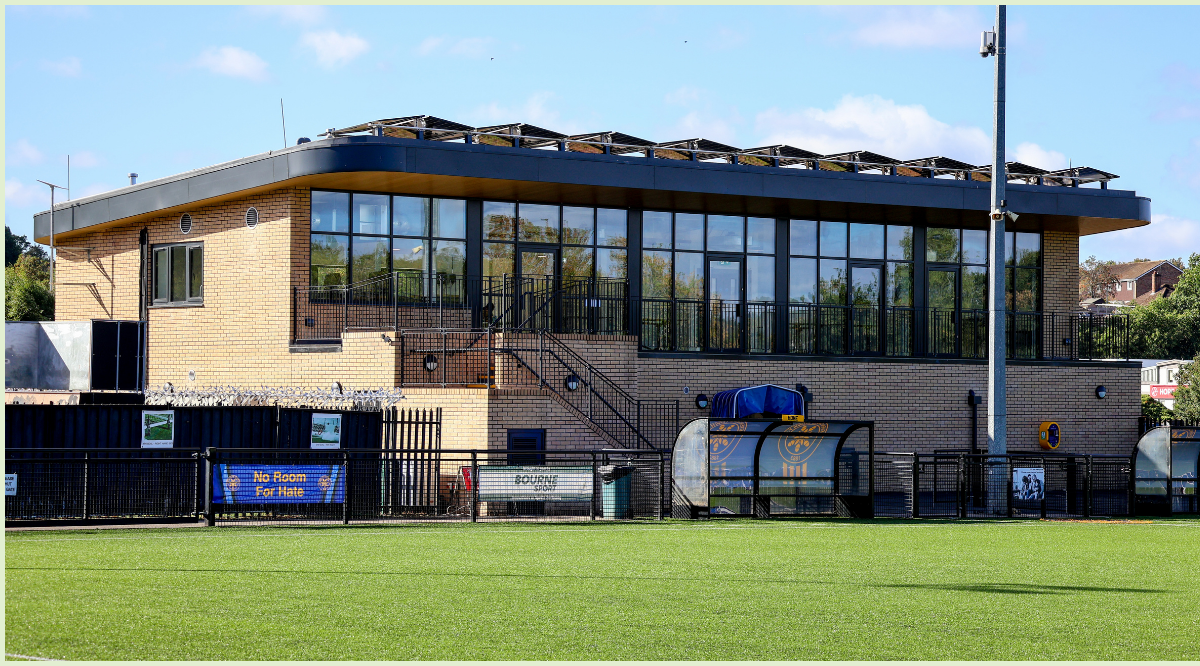
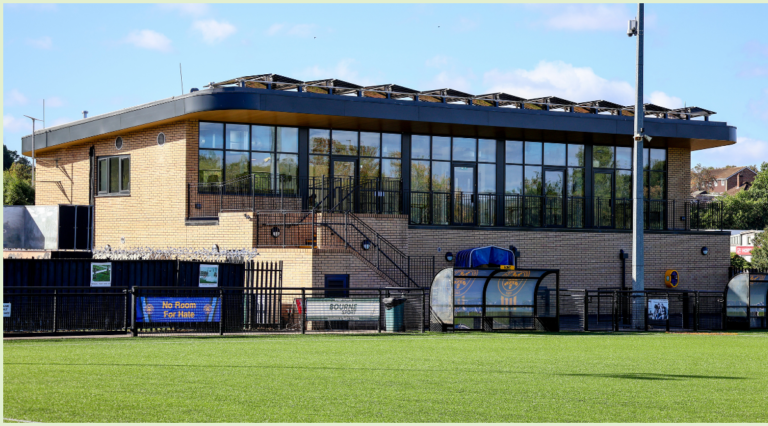
Recently delivered projects supported by District Council CIL funding include a £787,500 contribution towards Sevenoaks Town Council’s Greatness Football & Community Centre project*, as well as funding for the Sevenoaks Wildlife Reserve, public rights of way, play areas, village halls and other community infrastructure across the District.
The proposed changes to the CIL Charging Schedule could reduce the amount of CIL available through these routes. This could therefore affect not only the funding available directly to Town and Parish Councils, but also the opportunities for community organisations and local groups to put forward projects and seek funding for infrastructure which they have identified as important to their communities. S106 agreements are different. They are legal agreements linked to individual developments and are generally used to secure measures or contributions needed to mitigate the impacts of a particular development and make it acceptable in planning terms.
The District Council’s proposed approach would give S106 a significantly greater role, with larger housing developments and non-residential development relying on site-specific S106 agreements instead of CIL. While S106 can secure important infrastructure associated with individual developments, the Town Council is concerned that moving away from CIL could reduce the wider opportunities for local communities and their elected representatives to influence how developer contributions are invested.
Sevenoaks Town Council will continue to engage with Sevenoaks District Council as the proposed changes progress.
*Endnote: Sevenoaks Town Council’s recently-delivered Greatness Football & Community Centre (pictured below) would not have been possible without CIL, which was responsible for over £1 million funding towards its delivery cost (£787,500 from the District Council’s CIL Spending Board, and £221,100 from Sevenoaks Town Council’s own locally-retained CIL).